
Why a Heat Pump Water Heater Needs a Condensate Drain
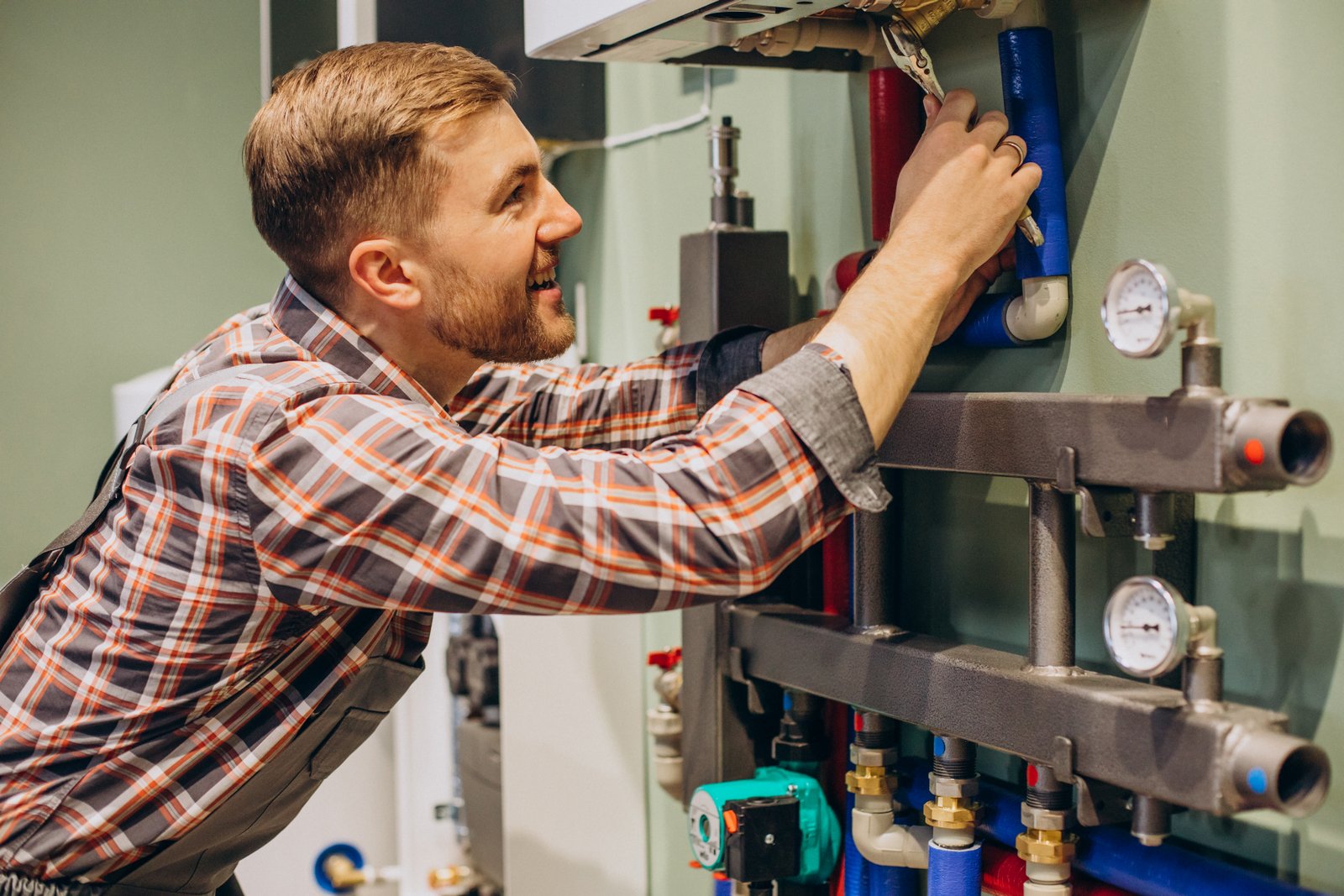
Hybrid heat pump water heaters are among the most energy-efficient water heating appliances available today, capable of slashing annual water heating costs by up to 70%. However, homeowners upgrading from standard electric or gas tank water heaters are often surprised to discover a new installation requirement: a condensate drain line.
Unlike traditional water heaters, a heat pump water heater produces water during normal operation. Understanding why condensation occurs and how to properly manage it is essential to protect your home from water damage, prevent mold growth, and keep your unit running reliably.
How Heat Pump Water Heaters Create Moisture
To heat water efficiently, a hybrid heat pump water heater functions essentially like an air conditioner working in reverse. Instead of creating heat with high-wattage electrical resistance elements or gas burners, it uses a compressor and refrigerant cycle to extract heat from the surrounding ambient air and transfer it directly into the water storage tank.
As the unit draws warm air across its cold evaporator coils, warm airborne moisture drops below its dew point and condenses directly on the metal fins. This continuous dehumidification process strips water out of the air—generating anywhere from 1 to 3 gallons of moisture per day depending on ambient humidity levels. This water trickles into an internal drain pan and must be directed safely away from the appliance.
Planning a Heat Pump Water Heater Installation?
Our licensed plumbers evaluate your space, select the ideal condensate removal setup (gravity drain vs. pump), and ensure strict adherence to local plumbing and building codes.
Key Risks of Improper Condensate Drainage
Failing to install a dedicated condensate drain—or neglecting a blocked drain line—can lead to severe problems for both your appliance and your property:
- Severe Water Damage: Water overflowing from an unvented or clogged drain pan will pooling around the heater base, rotting wood subflooring, damaging drywall, and ruining surrounding garage or basement items.
- System Fault Controls & Shutdowns: Modern heat pump units feature built-in condensate sensor floats. When water backs up in the drain pan, the system automatically shuts down the heat pump compressor to prevent spilling, reverting to expensive backup resistance heating or shutting off entirely.
- Mold, Mildew, and Fungal Growth: Stagnant water sitting in a catch pan or leaking into surrounding concrete creates ideal conditions for toxic mold and bacterial growth, impairing indoor air quality.
Essential Components of a Heat Pump Condensate System
1. PVC Condensate Drain Line & Trap
A rigid PVC pipe (typically 3/4-inch diameter) connects to the water heater's drain port. The line must maintain a continuous downward slope (minimum 1/4 inch per foot) toward a suitable disposal location such as a floor drain, laundry sink, or exterior discharge point. A condensate trap or air gap is often required by code to prevent sewer gases or outdoor pests from backing up into the unit.
2. Condensate Removal Pump
If your heat pump water heater is installed in a basement, interior closet, or location below the main gravity drainage line, gravity alone cannot move the wastewater. In these configurations, an automatic condensate pump is installed at the base of the heater. When the pump's reservoir fills, a float switch turns on a small motor to lift and pump the water up and out through flexible tubing.
3. Safe Termination Points & Neutralizers
Condensate lines must discharge safely in compliance with local plumbing codes. Common discharge locations include floor drains, dry wells, or dedicated indoor drains. In some municipalities, acidic condensate from specific HVAC/water heater systems requires passing through an inline limestone neutralizer prior to sewer disposal to safeguard local piping.
Routine Maintenance Tips for Homeowners
Keeping your heat pump's condensate line clear requires minimal effort but prevents costly emergency service calls:
- Flush the Line Biannually: Pour a cup of distilled white vinegar or warm water through the condensate access port every six months to kill algae and prevent sludge buildup.
- Inspect the Air Filter: Clean your heat pump’s washable air filter every few months. A dirty filter restricts airflow, causing evaporator coils to freeze over and flood the condensate pan during thawing.
- Test the Condensate Pump: If your system uses a pump, manually test the float switch twice a year to confirm the motor turns on and pumps cleanly.
Ready to upgrade your home’s hot water system or need a condensate line repair? Contact the team at Peak West Plumbing today to schedule a professional evaluation.


